Latest Society News

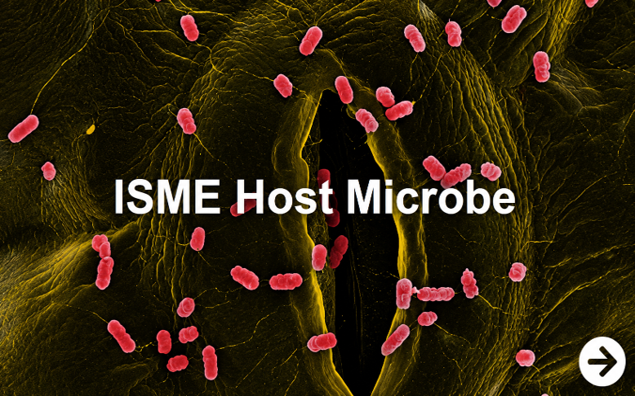
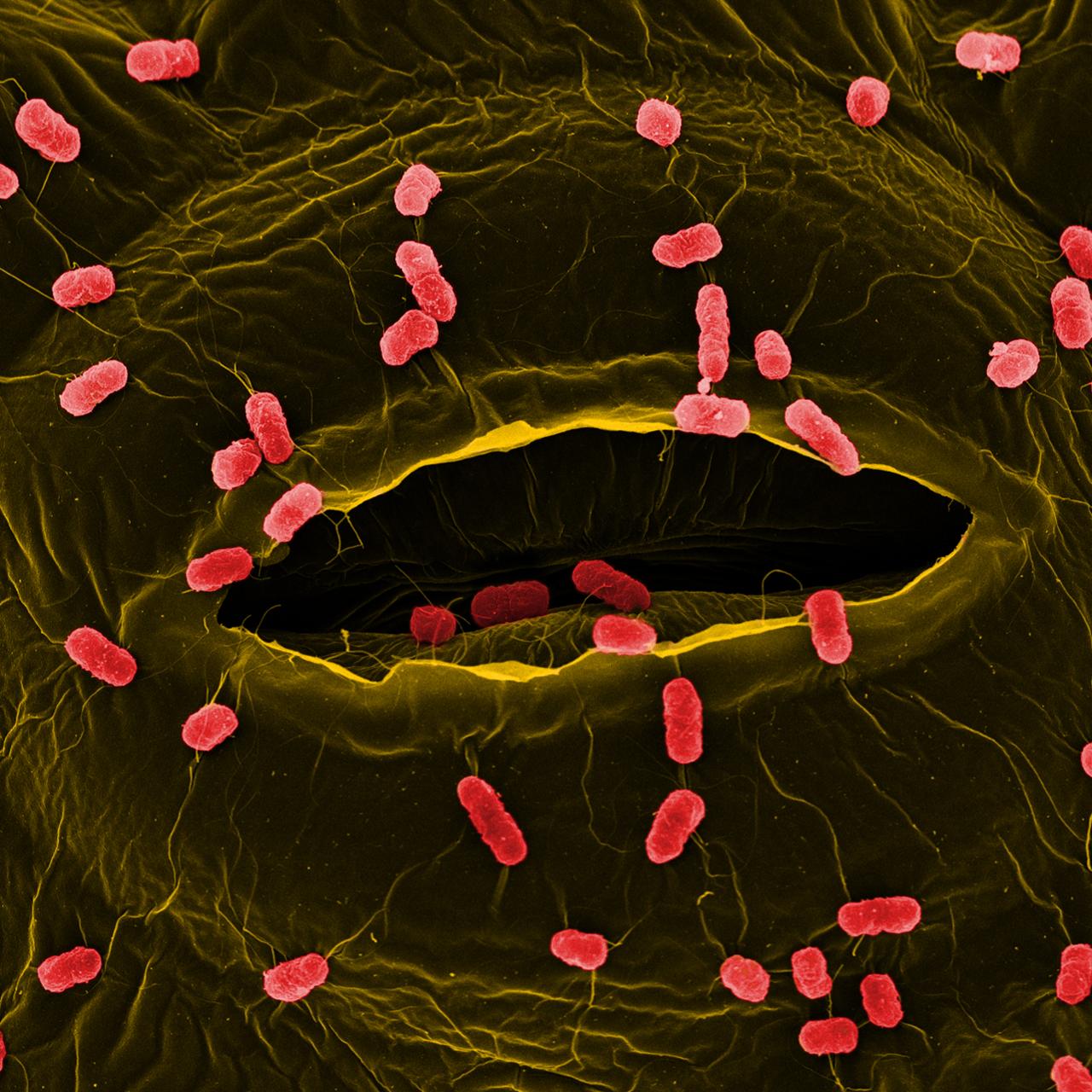
Salmonella Features on the ISME Host Microbe Cover

How does Salmonella enterica enter a tomato plant? Michel Schrader’s winning electron microscopy image captures the pathogen at a leaf stoma, offering a glimpse into its colonisation strategy.

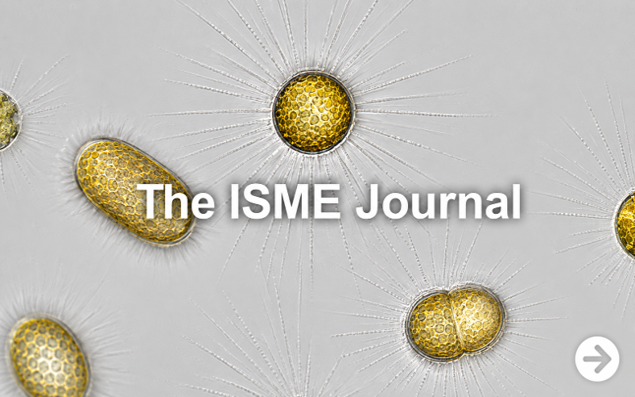
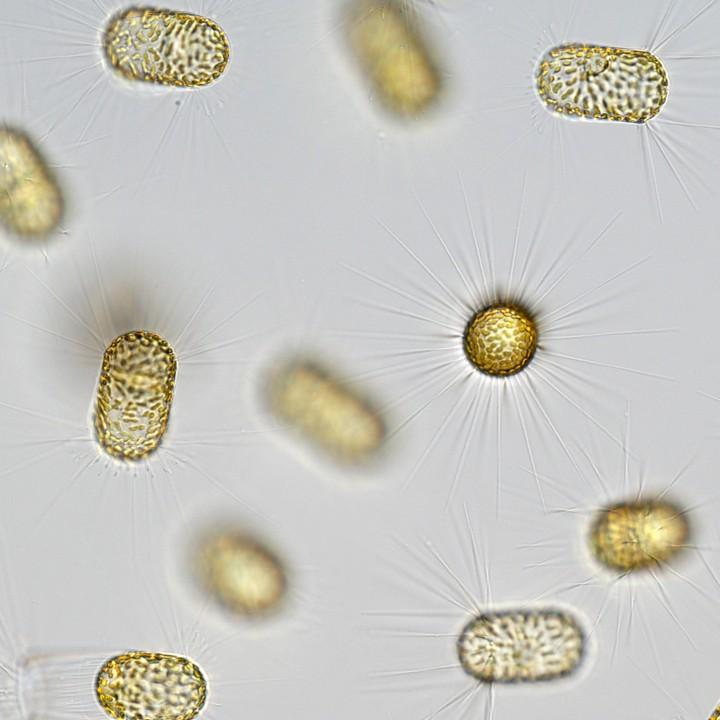
The Diatom Behind The ISME Journal’s 2026 Cover

Congratulations to Morgan Pavelsky and Margarita Lankford, whose striking image of the centric diatom Corethron features on the 2026 cover of The ISME Journal.

Welcoming Max Häggblom as the new Vice President

From unusual microbial appetites to global climate challenges, meet Max Haggblom, ISME’s new Vice President, and discover his journey and vision for microbial ecology.

Call for Applications – ISME Scholar Mobility Fund

ISME supports MSc/PhD graduate students and postdocs in developing academically through the Scholar Mobility Fund. Please submit your application by 21 October to study at a host institution abroad.

Career choice interview – Windi Indra Muziasari

How can microbial ecology research become a real-world solution? Meet Windi Indra Muziasari, Founder & CEO of Resistomap, and discover her journey from postdoc to science entrepreneur.

Introducing the new ISME President

Gabriele Berg, Professor at Graz University of Technology in Austria, is the new ISME President. She takes on the role at a time when microbial ecology has never been more important.

Introducing ISME Fellow: Staffan Kjelleberg

ISME Fellow and SCELSE founding director Staffan Kjelleberg reflects on building a world-leading research centre and the future of microbial ecology in a One Health world.

Introducing ISME Fellow: Hilary Lappin-Scott

From a chance airport encounter to leading international scientific societies, ISME Fellow Hilary Lappin-Scott reflects on the moments, mentors, and values that shaped her remarkable career.

ISME Publications news

Salmonella Features on the ISME Host Microbe Cover

How does Salmonella enterica enter a tomato plant? Michel Schrader’s winning electron microscopy image captures the pathogen at a leaf stoma, offering a glimpse into its colonisation strategy.

The Diatom Behind The ISME Journal’s 2026 Cover

Congratulations to Morgan Pavelsky and Margarita Lankford, whose striking image of the centric diatom Corethron features on the 2026 cover of The ISME Journal.

Structured interactions reduce keystone effects

Not all species are created equal – the structure of their interactions determines their impact on the ecosystem. New research reveals microbial communities stay stable even when species are removed.

Close to home: measuring microbial dispersal

Microbial movement into soils occurs at a surprisingly local scale. By measuring dispersal rates and spatial patterns, this study challenges the assumption that microbes freely mix across environments.

Hidden drivers of wastewater treatment microbiomes

Wastewater treatment and resource recovery are key for human and environmental health and green transition. Here, Riisgaard-Jensen et al. uncover how the underexplored sewer microbiome shapes the activated sludge communities of the systems.

Cable bacteria transfer electrons through contact

Cable bacteria in freshwater sediments connect through brief end-to-end contact to relay electrons, unveiling a novel cooperative strategy among microbes.

Two-step localization in bacterial predation

Peptidoglycan hydrolase drives a two-step localization in interbacterial predation, representing a previously unrecognized predation mechanism.

Bacterial ‘memory’ lives outside the cell

Microbes can store “memories” by collectively altering their environment. These externalized “memories” impact how microbial communities assemble.